
Anti-Recidivism
How We Work
Support Network:
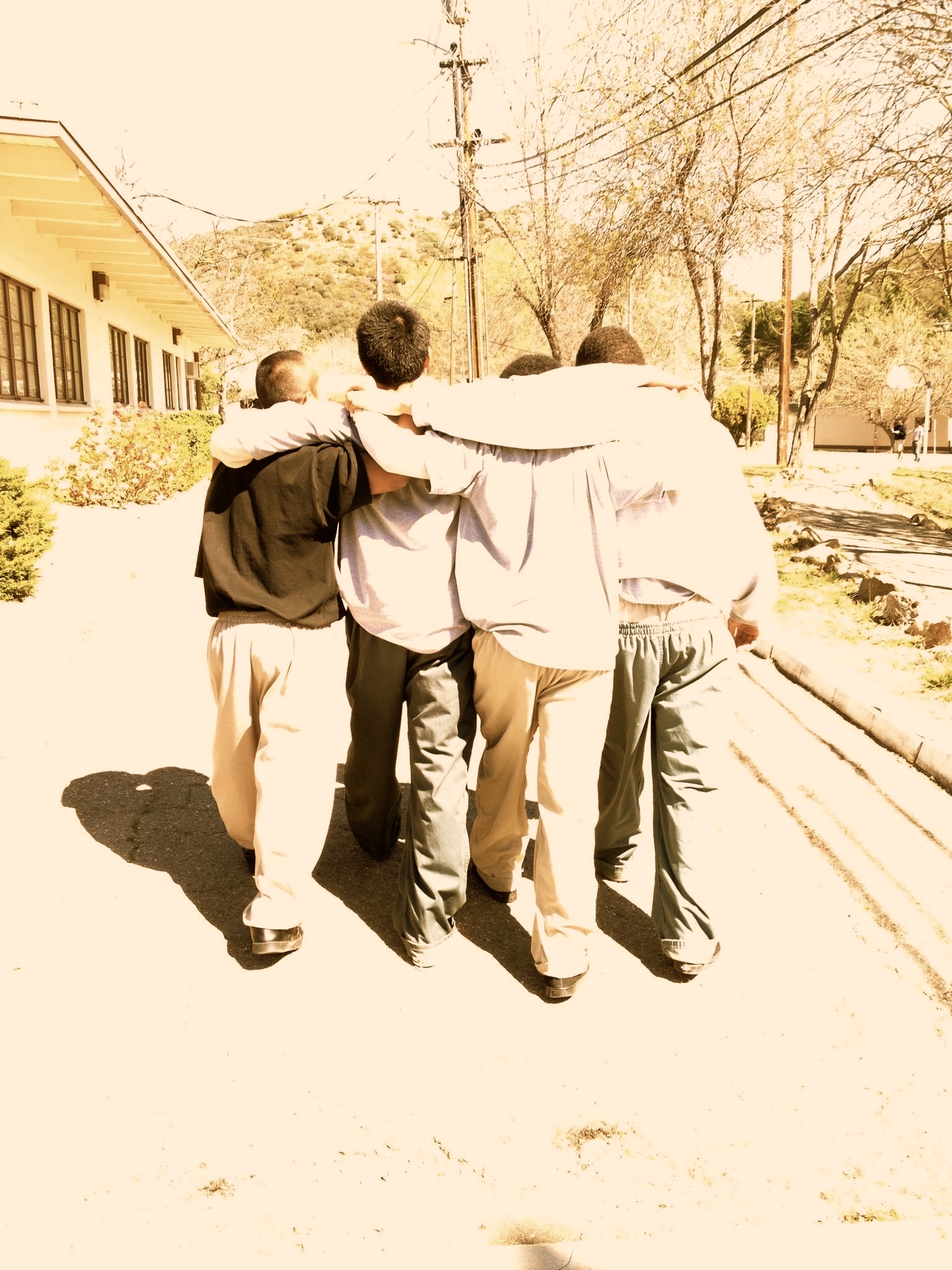
ARC holds regular support network meetings as an outlet for Coalition Members to receive support for challenges or needs they have or just to be heard by their peers. These sessions also allow Coalition Members to provide support, an important part of their own healing process. Through these meetings, ARC Members have received jobs, help with enrolling in college, and counseling. The ARC Support Network also hosts a series of events and outings, including BBQs, sporting events, amusement park trips, camping, and more. These events allow ARC members to form positive social networks, which are critical to keeping newly released individuals free from the influence of gangs, negative influences, and temptations. The ARC social media presence is very active and involved. The ARC private Facebook page has hundreds of members and is a form for support and social connection that is highly utilized and trafficked. The ARC public Facebook page, Twitter account, and website serve as powerful tools for broader community outreach and awareness building on the issues important to our cause.

Outreach:
Members and staff of ARC visit the juvenile facility in Los Angeles County, housing all youth charged as adults as well as several of the state prisons in which those young people end up. ARC members can be recruited through this outreach and are encouraged to take advantage of educational opportunities while incarcerated. Once released, through existing ARC connections, the formerly incarcerated are able to continue to pursue their education. Through the formalization and expansion of ARC, these members will also be able to receive additional supportive services and opportunities.
Policy Advocacy:
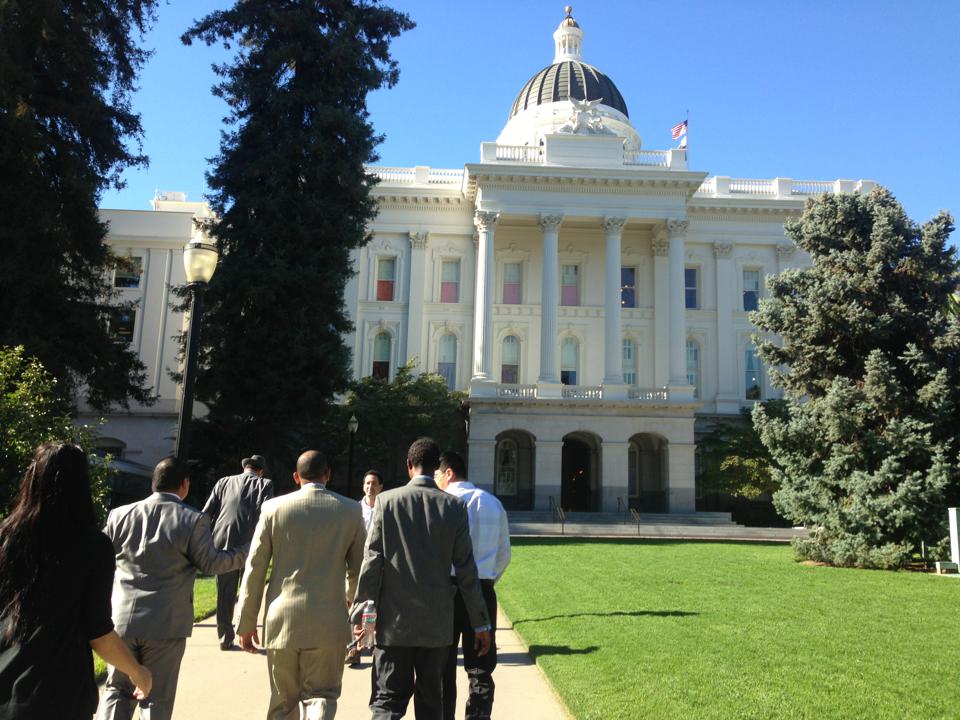
ARC advocates for fair and just policies and laws in the juvenile justice, criminal justice and child welfare arenas. ARC’s advocacy seeks to reduce crime, decrease the use of incarceration, improve the outcomes of the formerly incarcerated, and increase investment in the people and communities most impacted by crime and incarceration.